Skip to content
Outdoor projector use is increasingly common—from camping cinemas to brand events and scenic light shows. But the real challenge isn’t the projector itself; it’s protecting the equipment from harsh outdoor conditions.
Video Guide: This video demonstrates how outdoor projector enclosures safeguard devices in various weather conditions.
Data shows that over 70% of non‑normal outdoor projector failures are not caused by product quality defects, but by a lack of proper protection. The five major pain points below are the real obstacles in outdoor projection applications.
Pain Point 1: Moisture Intrusion – From Lens Fogging to Circuit Damage

Whether it’s high humidity in coastal areas, morning fog in mountains, or sudden rain showers, once moisture penetrates the device’s gaps, a chain reaction occurs:
- Optical system degradation: fogging on the inner lens surface and condensation on optical elements directly cause blurred images and sharp brightness loss.
- Electronic component corrosion: short circuits on PCBs and rust on metal connectors – repair costs often exceed 40% of the original device value.
- Hidden condensation damage: internal condensation caused by day‑night temperature differences irreversibly damages the light engine and DMD chip.
Limitations of traditional solutions: most outdoor projectors rely only on body seal strips, which cannot withstand sustained spray or high‑humidity environments.
Pain Point 2: Dust & Particle Blockage – Cooling Collapse & Image Quality Loss
In deserts, construction sites, grasslands, or bare ground, fine dust, grass clippings, pollen, and even small insects are drawn into the projector by its cooling fan:
- Filter clogging: sharp increase in airflow resistance, reduced cooling efficiency, triggering over‑temperature protection or forced shutdown.
- Optical contamination: dust adhering to the lens or internal light path creates dark spots and color shifts, and is difficult to clean.
- Mechanical failure: sand and dust entering fan bearings or focus mechanisms accelerates wear and causes abnormal noise.
Pain Point 3: Extreme Temperature Shocks – Performance Cliffs & Physical Damage
Outdoor temperature differences can range from -10°C to 40°C or even more extreme:
- High‑temperature conditions: high‑brightness LED or laser sources running for long periods raise internal temperatures far above nominal values, leading to brightness loss, plastic part deformation, and accelerated LED degradation.
- Low‑temperature startup difficulties: slow liquid‑crystal panel response, drastically reduced battery output – some models simply black out or fail to start below freezing.
- Thermal expansion/contraction stress: mismatched expansion coefficients between the housing and internal components can cause structural loosening and seal failure after repeated temperature cycles.
Pain Point 4: Salt Spray & Biological Erosion – Chronic Killers in Specific Environments

- Salt spray corrosion: airborne chloride ions within several kilometers of the coastline penetrate ordinary coatings, corroding heat sinks, connectors, and screws, shortening device life.
- Insect intrusion: phototactic insects enter through cooling vents or lens gaps, blocking airflow, contaminating the light path, and even causing short circuits.
Pain Point 5: Mechanical Damage in Mobile Scenarios – The Cost of Transport & Accidents
Outdoor projection often requires carrying, vehicle transport, and rapid setup/teardown. A projector without protection suffers:
- Lens scratches, housing dents and deformation;
- Solder joint detachment at ports due to mechanical stress;
- Device drop caused by loose locking mechanisms on mounts.
What is Outdoor projector enclosure, Outdoor projector housing, or projector enclosure outdoor?
Outdoor projector enclosures are specially designed protective housings that shield projectors from weather elements, dust, and physical damage while enabling reliable operation in outdoor environments.
Video Guide: Learn how outdoor enclosures enhance projector durability and performance.
Purpose and Functionality of Outdoor Projector Enclosures
Outdoor projector housings are engineered to protect sensitive optical and electronic components against environmental factors such as:
- Weather Conditions: Rain, snow, and UV rays.
- Temperature Extremes: Heating and cooling functions maintain internal stability.
- Dust and Debris: Prevents particles from clogging the projector’s ventilation.
- Corrosion Protection: Materials and coatings resist rust and deterioration.
Based on our internal data and market analysis, here is the breakdown of core features:
| Feature | Description | Benefit |
|---|---|---|
| Waterproofing (IP65) | Ensures no water ingress during rainfall. | Reliable in wet environments. |
| Thermostat Control | Regulates internal temperature. | Prevents overheating or freezing. |
| Anti-Theft Design | Reinforced locks and mounting options. | Protects against misuse or theft. |
shirui Pro Tip: Always choose an enclosure with temperature sensing and ventilation features, especially if your region experiences extreme weather conditions. This ensures your projector operates seamlessly in any climate.
How Does Outdoor projector enclosure, Outdoor projector housing, or projector enclosure outdoor Work?
Outdoor projector enclosures work by creating a controlled, secure environment around the projector, using waterproof seals, temperature regulators, and protective materials to mitigate external risks.
Technology and Mechanisms
Outdoor projector enclosures from shirui utilize advanced systems, including:
- Temperature Regulation: Built-in thermostat and heating mechanisms stabilize internal temperatures.
- Dehumidification Systems: Prevents moisture buildup that can damage lenses or internal circuitry.
- Environmental Alarms: Smoke and flooding alarms notify users of potential hazards.
- IoT Connectivity: Real-time monitoring through Wi-Fi, Ethernet, or 4G, with data securely encrypted via Ali Cloud IoT.
Key Benefits
| Technology | Function | Advantage |
|---|---|---|
| Humidity Sensors | Detects and eliminates excess moisture. | Protects sensitive electronics. |
| Road Temp Sensors | Adjusts internal settings based on climate. | Increases operational reliability. |
| IoT Integration | Remote monitoring and control. | Enhanced user convenience. |
shirui Pro Tip: If you plan to use your outdoor projector in high-humidity areas, prioritize enclosures with built-in dehumidifiers for long-term reliability.
What are the benefits of Outdoor projector enclosure, Outdoor projector housing, or projector enclosure outdoor?
The primary benefits include weather resistance, theft prevention, extended projector lifespan, and reduced maintenance costs, ensuring seamless operation in any outdoor setting.
Advantages of Using an Outdoor Projector Enclosure
- Enhanced Durability: Shields against rain, dust, and UV rays.
- Cost Savings: Minimizes repair and replacement expenses.
- Safety: Prevents overheating and fire hazards with temperature controls.
- Convenience: Remote monitoring ensures easy management.
shirui Pro Tip: Consider enclosures with IP65 waterproof ratings for optimal performance in heavy rain or coastal areas.
Solution: ShiRui Outdoor Projector Protective Enclosure – Engineering‑Grade Protection for Every Pain Point
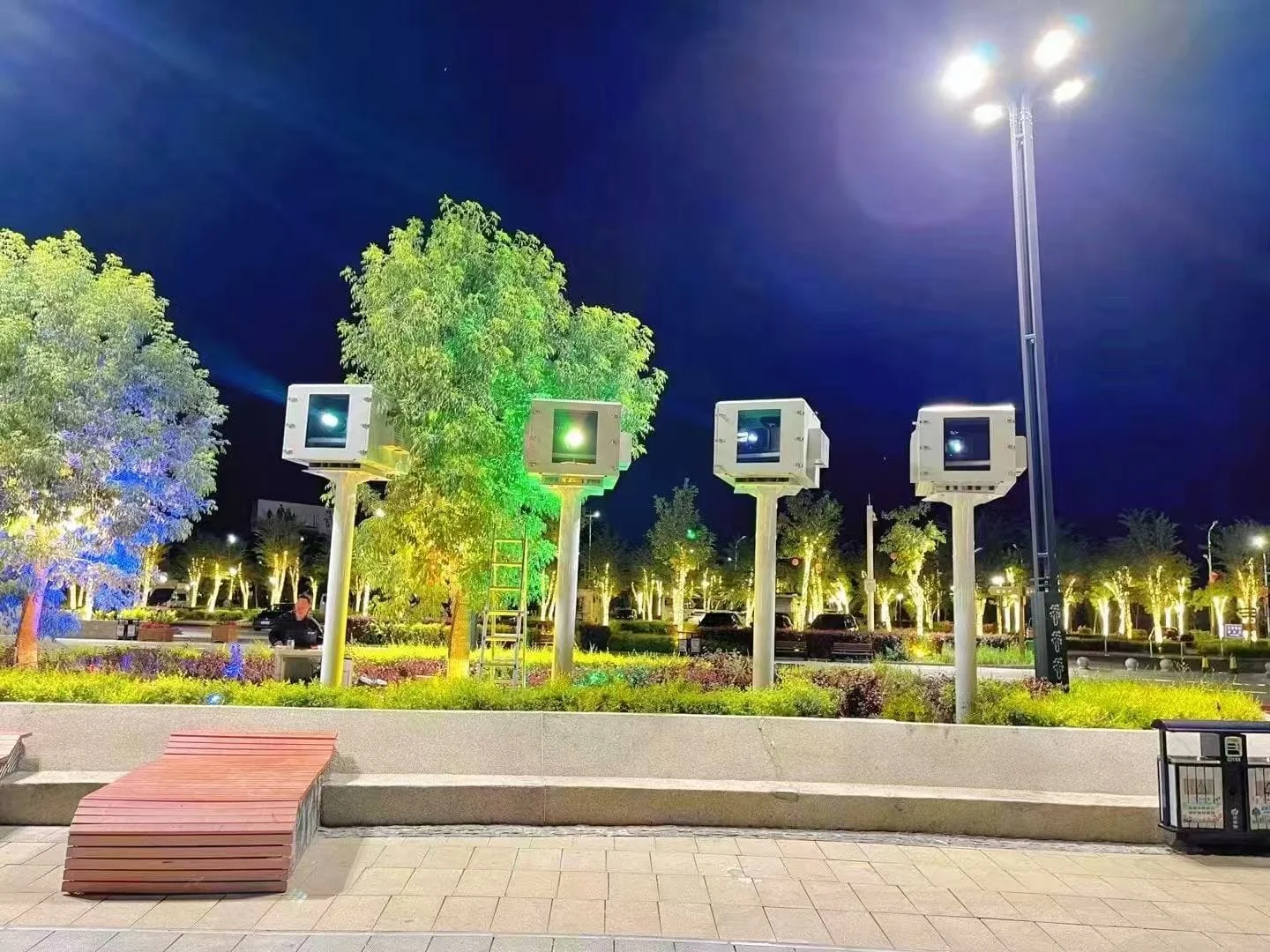
To address the five core pain points above,ShiRui introduces its professional outdoor projector protective enclosure series. Through a three‑in‑one design of structural sealing + thermal management + material resistance, it fundamentally ends the unreliability of outdoor projection.
IP65 Sealed Protection – Complete Isolation from Moisture & Dust

- Integrated sealed structure with high‑elasticity sealing strips – whole‑unit protection meets IP65 standard (dust‑tight and protected against water jets).
- Optical lens window: AR‑coated optical glass with ≥94% transmittance, resisting scratches and moisture condensation.
- Airtightness validation: negative pressure testing on each batch to ensure no “breathing” effect due to temperature fluctuations.
Intelligent Temperature Control System – Stable in Extreme Environments

- Multi‑mode active temperature regulation: Integrates a silent fan, a micro air‑conditioning module, and an optional constant‑temperature heating module. These three work together to maintain stable internal temperature in environments from -20°C to 50°C.
- Fully automatic intelligent control: Built‑in temperature and humidity sensors collect real‑time data and connect to a control board for automatic determination and adjustment. When the temperature deviates from the set range or the humidity rises to a level that risks condensation, the system automatically switches between heating, cooling, or ventilation modes
- Automatic defogging: When sensors detect a risk of lens or internal condensation, the control board activates a micro‑airflow circulation linked with temperature control, quickly eliminating fog to ensure a clear image.
High‑Strength Metal Protection Structure – Physical Armor for Mobile Scenarios
- Housing material:galvanized sheet or stainless steel– offering excellent impact resistance, deformation resistance, and corrosion resistance.
- Integrally molded cushioning ribs at the four corners absorb energy from drops and collisions.
- Quick‑release latch design – tool‑free opening and closing while maintaining sealing preload.
Customization Service – Tailor-Made for Every Projector Model
- Based on the customer’s specified projector model, it precisely matches the cooling vents, lens position, and interface layout.
- Compatible with all mainstream brands, while supporting commercial engineering projectors and outdoor short-throw models.
Let Every Outdoor Light & Shadow Experience Proceed Without Worrying About Equipment Failure
From private camping movie nights to large‑scale commercial projection shows, ShiRui outdoor projector enclosures redefine environmental adaptability– they are no longer an accessory burden, but a survival guarantee for projectors in the outdoor world.
Choose ShiRui and equip your projection device with an all‑weather protection system.Contact our technical team now to receive atailored model‑specific solutionand an environmental risk assessment report, letting outdoor projection truly return to content itself.
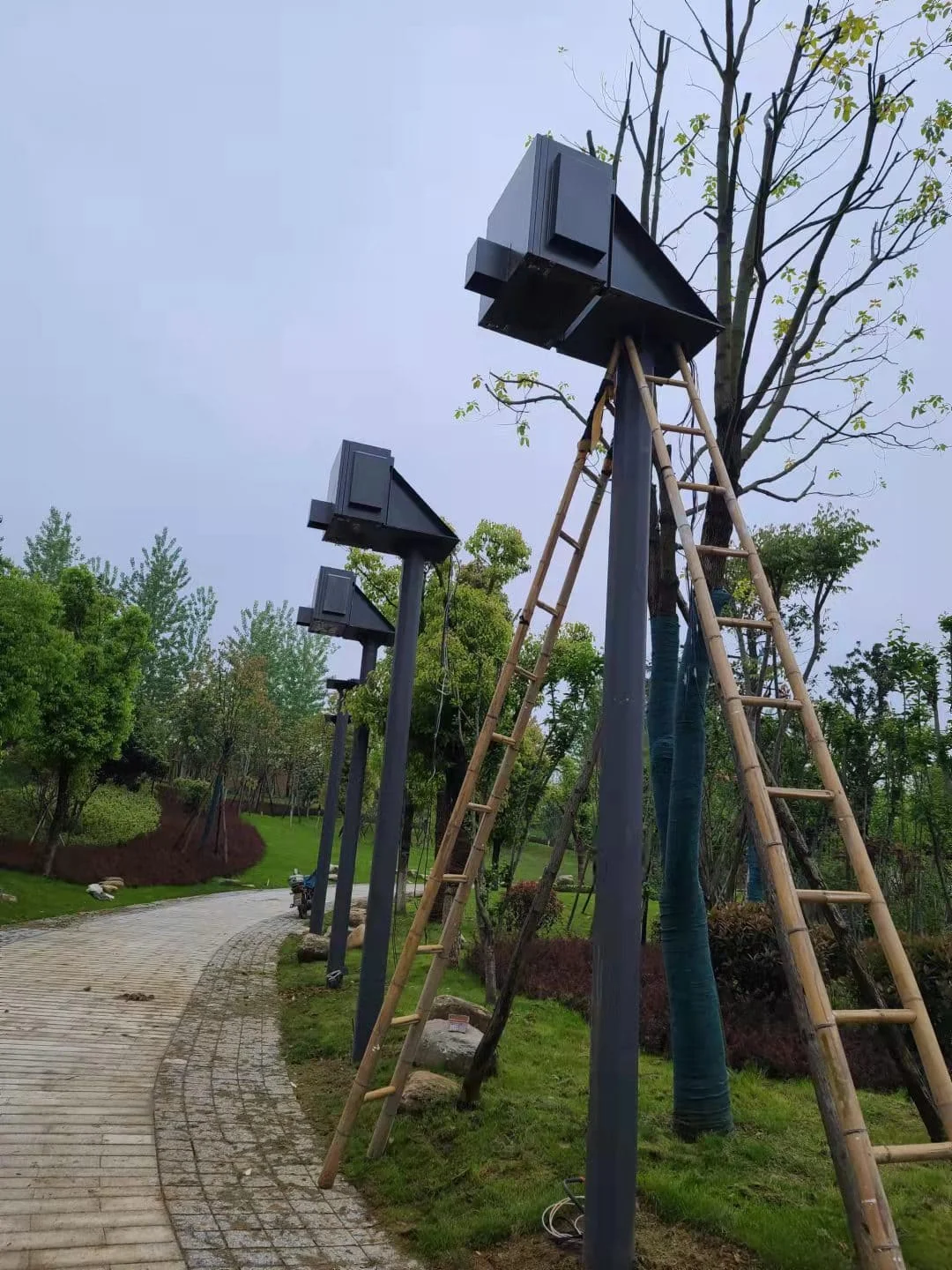

Cost & Buying Factors
When selecting an outdoor projector enclosure, consider the following:
- Weather Resistance: Ensure IP65 certification for rain and dust protection.
- Size Compatibility: Match the enclosure size to your projector’s dimensions.
- Advanced Features: Opt for IoT-enabled models for remote monitoring.
- Warranty: Look for extended coverage to protect your investment.
shirui Pro Tip: Always verify that the enclosure you select provides adequate ventilation for your projector’s cooling system.
Conclusion
Outdoor projector enclosures, such as those offered by shirui, are essential for protecting your investment and ensuring reliable performance in challenging environments. By choosing a model with advanced features like temperature control, IoT connectivity, and IP65 waterproofing, you can enjoy uninterrupted outdoor entertainment or presentations with minimal maintenance. Invest wisely and prioritize quality for long-lasting results.