Skip to content
In recent years, nighttime tourism, outdoor advertising, architectural projection mapping, and similar projects have grown rapidly, leading to more frequent use of projectors in outdoor settings. However, harsh outdoor conditions—high temperatures, freezing cold, rain, humidity, and dust—can cause projectors to shut down, develop condensation, or suffer internal damage, disrupting normal operation.
Video Guide: Discover how to select the best weatherproof enclosure for projectors.
Basic rain covers cannot meet the demands of long-term outdoor use. Outdoor projector enclosures provide a stable, reliable working environment through intelligent temperature control, dehumidification, and high-grade sealing protection. They have become a standard solution for professional outdoor projection projects.
What is Waterproof projector enclosure waterproof projector box?
Bold Answer: A waterproof projector enclosure is a protective casing designed to safeguard projectors from environmental elements such as water, dust, and temperature extremes, ensuring reliable performance in outdoor settings.
Key Design Elements
Waterproof projector boxes are equipped with features like IP65/IP66 ratings, which indicate their ability to resist water and dust ingress. These enclosures often include built-in dehumidifiers and air sweeps to prevent fogging and condensation. Here are the key components:
- Sealed Construction: Ensures dust-tight protection.
- Heating Modules: Maintains temperature to prevent condensation.
- Remote Monitoring Systems: Reduces maintenance visits and costs.
shirui Pro Tip: Always verify the IP rating of your projector enclosure to ensure it meets the environmental demands of your project location.
How Does Waterproof projector enclosure waterproof projector box Work?
Bold Answer: Waterproof projector enclosures work by providing a sealed environment that protects the projector from water, dust, and temperature variations, using technologies like dehumidifiers and air sweep systems.
Functional Mechanics
These enclosures utilize several technologies to ensure protection and performance:
- Sealing: The enclosure is hermetically sealed to prevent moisture and dust ingress.
- Temperature Control: Built-in heating modules stabilize internal temperatures to avoid condensation.
- Air Circulation: Air sweep systems circulate air within the enclosure to maintain a consistent environment.
shirui Pro Tip: Regularly check the dehumidifier function to prevent moisture build-up, which is crucial for maintaining optimal projector performance.


Why Do You Need an Outdoor Projector Enclosure?
| Outdoor Challenge | Impact on Projector | Enclosure Solution |
| High heat (>35°C) | Overheating shutdown, reduced projector life | Intelligent fan cooling / air conditioner maintains stable internal temperature |
| Freezing cold (<5°C) | Difficulty starting up, slow LCD response | Automatic heating module raises internal temperature to ≥10°C |
| High humidity & condensation | Lens fogging, optical component mold, circuit shorts | Built-in dehumidifier(heating module) + air sweep prevents fog and condensation |
| Rain & dust | Water/dust ingress, leading to overheating or electrical failure | IP65/IP66 sealed enclosure, weatherproof and dust-tight |
| Remote maintenance difficulty | High site-visit costs, delayed fault detection | WiFi/Ethernet/4G connectivity to cloud IoT for remote monitoring |
Typical Applications:
- Night Tourism / Light Shows:
Projectors are often installed on towers, hillsides, or bridges. Enclosures handle large temperature swings and high humidity, reducing on-site maintenance. - Outdoor Advertising Projection:
Long daily operating hours. Intelligent temperature control and remote monitoring maximize uptime and reduce failure rates. - Urban Lighting & Festivals:
Temporary or semi-permanent installations require quick setup and reliable performance. Enclosures are easy to install, maintain, and relocate.
Key Selection Criteria for Professional Projection Projects:
Choose an enclosure based on local climate, projector power, and installation environment. Focus on the following five aspects:
- Temperature Control Method:
– Fan + fresh air system** – Suitable for moderate climates with low dust (e.g., parks, plazas).- Internal circulation air conditioner** – Ideal for hot, humid, or dusty environments (e.g., deserts, coastal areas, subway projects). No outside air exchange, better protection.- Heating module** – Essential for cold regions. Automatically activates to keep projector operable below 0°C. - Protection Rating & Material:
– Minimum **IP65** (dust-tight, protected against water jets); **IP66** recommended for heavy rain or wash-down conditions.
-Materials: **201 stainless steel**, **304 stainless steel** (high corrosion resistance, recommended for coastal/humid areas), or **galvanized steel** (cost-effective for general use). - Dehumidification & Anti-Condensation:
– Built-in temperature/humidity sensor. When humidity ≥85% or temperature ≤5°C, heating or dehumidification starts automatically.
– Heating module and fans to keep the suitable humidity to prevent fogging and ensure a clear image. - Remote Monitoring & Alarms (Recommended):
– Wired or wireless connectivity for remote viewing of temperature, humidity, and system status.
– Optional **smoke detection**, **vibration alarm** for early warning. - Customization & Installation Ease:
– Custom cutouts, port positions, and multi-door designs for easy projector installation and maintenance.
– Non-standard customization available: cooling method, internal layout, exterior color, etc.
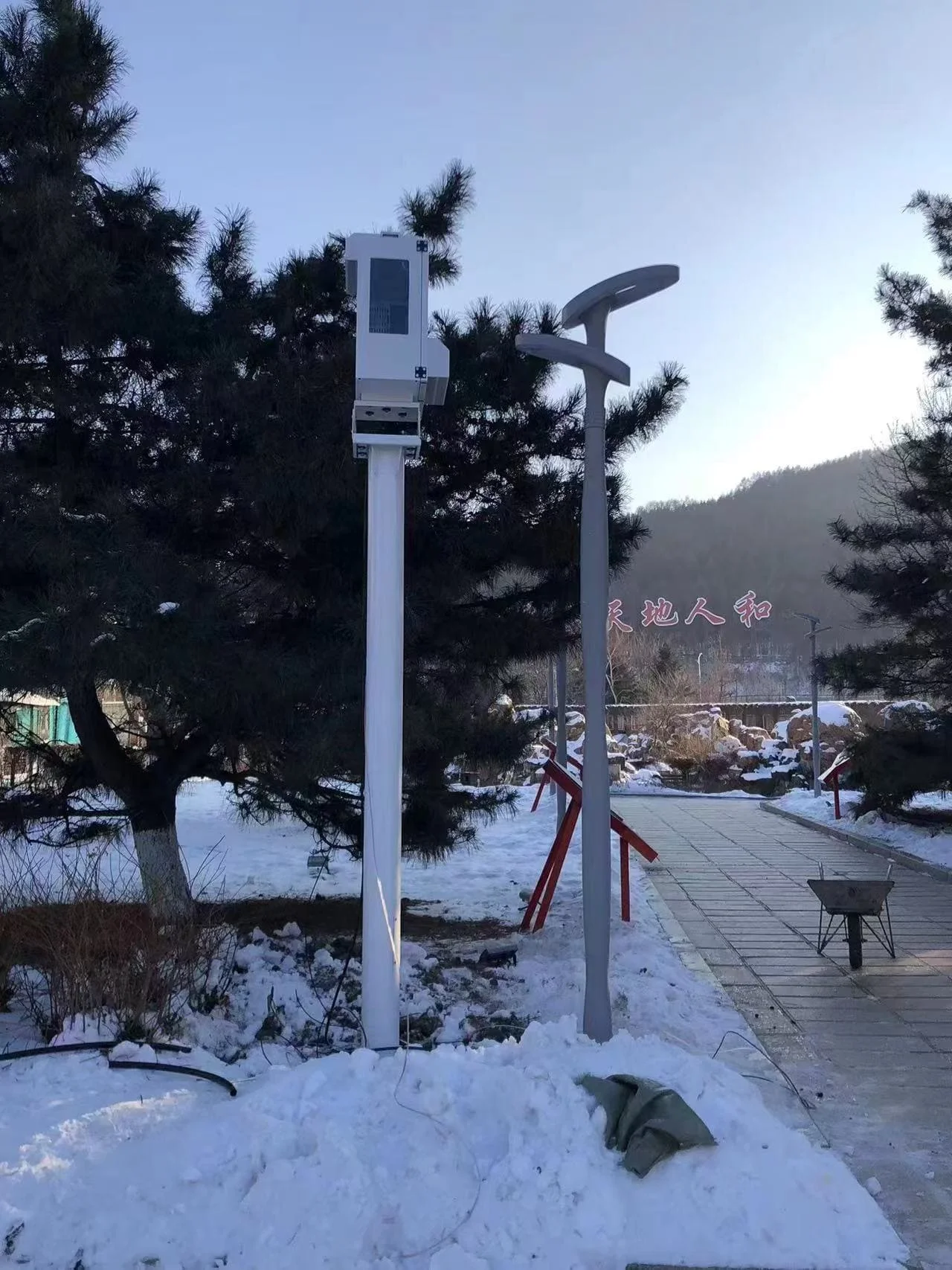
Benefits of Using an Enclosure
| Benefit | Impact |
| Improved stability | Projector operates in a controlled environment; annual failure rate can drop by over 60% |
| Extended projector life | Protection from heat, moisture, and dust significantly prolongs optical and electronic component life |
| Lower maintenance costs | Remote monitoring reduces site visits; fewer replacement/repair expenses |
| Reliable performance | No lens fogging or unexpected shutdowns — critical for live events and advertising |
In short, for scenic light shows, outdoor advertising projection, and urban lighting projects, proper selection of an enclosure greatly enhances equipment reliability and longevity — a truly practical solution for any outdoor projection installation.


Key Features & Comparison
Bold Answer: Selecting a projector enclosure requires comparing features like IP ratings, temperature control, and remote monitoring systems to ensure optimal protection and performance.
Based on our internal data and market analysis, here is the breakdown:
| Feature | Description | Importance Level |
|---|---|---|
| IP Rating | Indicates water and dust resistance | High |
| Temperature Control | Prevents condensation and fogging | High |
| Remote Monitoring | Reduces maintenance needs | Medium |
| Material Quality | Ensures durability and longevity | High |
shirui Pro Tip: Invest in enclosures with strong materials like stainless steel or aluminum for enhanced durability and protection.
Cost & Buying Factors
Bold Answer: Consider the cost-effectiveness, durability, and technical features of projector enclosures, ensuring they meet the specific environmental needs of your project.
Pricing Guide
- Budget: Entry-level enclosures offer basic protection but may lack advanced features.
- Mid-range: Balanced options with decent protection and some advanced functionalities.
- High-end: Premium enclosures with comprehensive features and robust durability.
shirui Pro Tip: Evaluate the total cost of ownership, including maintenance and potential repair expenses, when selecting an enclosure.
Conclusion
Waterproof projector enclosures are essential for ensuring the longevity and performance of outdoor projection equipment. By understanding key features and selection criteria, you can make informed decisions that align with project requirements and environmental conditions. Consider factors such as IP ratings, temperature control, and build quality to choose the best solution for your needs.
shirui Pro Tip: Regular maintenance checks and updates to the enclosure can prevent unexpected failures, ensuring consistent projector performance in outdoor applications.